Get Generator Installation
Generator installation services help property owners set up backup power systems for homes or businesses, handling projects like new installs, upgrades, or replacements.
If you are considering installing a generator, you are in the right place to begin exploring your options. Property owners often look into generator installation to ensure reliable power during outages, improve energy independence, or support additional electrical needs. Planning such a project involves understanding different systems and selecting the right solution for your property’s specific requirements, making it helpful to compare local contractors who specialize in this work.
By connecting with experienced service providers in the area, you can gather the information needed to make informed decisions about generator installation. These local contractors can assist with planning and executing the project, helping to ensure the work aligns with your property’s unique conditions and goals. Keep reading to learn more about how to find the right professionals for your generator needs.
- Generator installation services - needed when a property owner wants a reliable backup power source for their home or business.
- Emergency power system setup - required during power outages to ensure essential appliances and systems remain operational.
- New construction projects - when building a new property that requires a professionally installed generator for future energy needs.
- Upgrading existing systems - necessary for replacing outdated generators or increasing power capacity for expanding facilities.
- Commercial generator installation - essential for businesses that need continuous power to maintain operations during outages.
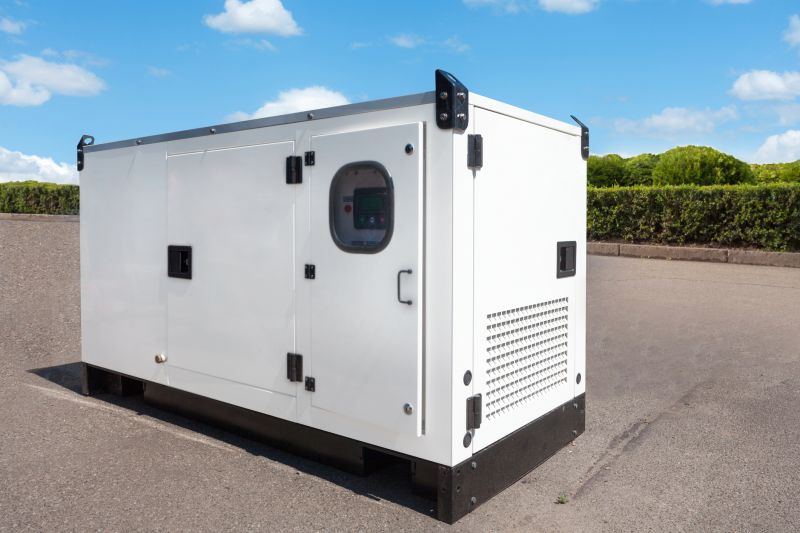
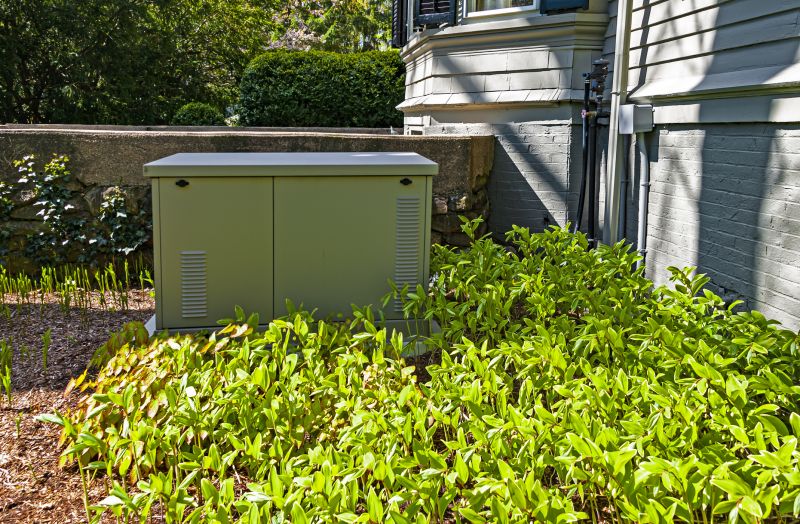
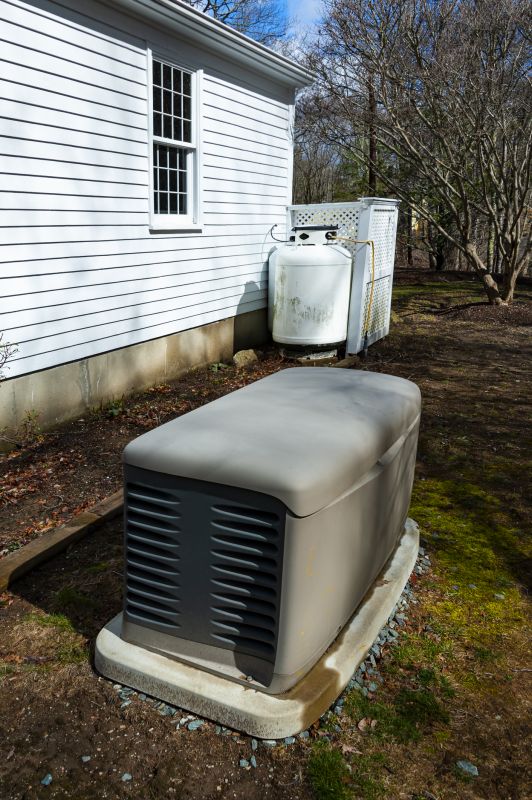
Generator installation services involve setting up a backup power system that automatically activates during outages or power disruptions. This process includes selecting the appropriate generator size and type for the property, preparing the site, and ensuring proper connection to the electrical system. Experienced service providers handle all aspects of installation, ensuring the generator functions correctly and safely, providing peace of mind when the main power supply is interrupted.
This service helps solve common problems related to power outages, such as spoiled food, disrupted heating or cooling, and the inability to operate essential appliances or medical equipment. Installing a generator ensures continuous power supply, reducing the inconvenience and potential hazards that come with unexpected outages. It is especially useful in areas prone to severe weather or frequent power interruptions, providing a reliable source of backup energy.
Properties that typically utilize generator installation services include residential homes, especially those with family members relying on medical devices, as well as vacation homes, rural properties, or homes located in areas with unstable power grids. Commercial properties, such as small businesses or farms, also benefit from having a generator to maintain operations during outages. The service is suitable for any property where uninterrupted power is critical for safety, comfort, or productivity.
Choosing to have a generator installed is a practical step for property owners seeking to safeguard their homes and operations from power disruptions. Local contractors who specialize in generator installation can assess individual needs, recommend suitable equipment, and ensure a professional setup. Contacting experienced service providers can help determine the best solution for maintaining continuous power and avoiding the inconveniences caused by outages.
The overview below groups typical Generator Installation projects into broad ranges so you can see how smaller, mid-sized, and larger jobs often compare in your area.
In many markets, a large share of routine jobs stays in the lower and middle ranges, while only a smaller percentage of projects moves into the highest bands when the work is more complex or site conditions are harder than average.
Smaller Repairs - Basic generator repairs and minor installations typically cost between $250 and $600. Many routine jobs fall within this range, depending on the specific parts and labor involved.
Mid-Range Installations - Upgrading or installing a new generator for standard homes usually ranges from $1,500 to $3,500. Most projects in this category are straightforward and fall into this middle tier.
Full System Replacements - Replacing an entire generator system can cost from $4,000 to $8,000, especially for larger or more complex setups. Fewer projects reach into this higher cost band, which often involves additional electrical work.
Large or Custom Projects - Custom or commercial generator installations can exceed $10,000, with larger, more complex projects reaching $20,000 or more. These are less common and typically involve specialized equipment or extensive site preparation.
Actual totals will depend on details like access to the work area, the scope of the project, and the materials selected, so use these as general starting points rather than exact figures.
Electrical System Upgrades - Installing new electrical panels and wiring to support backup power systems shares skills with generator installation, ensuring proper connections and safety standards.
Backup Power System Setup - Setting up whole-house or commercial backup power solutions involves planning and electrical work similar to generator installation projects.
Industrial Power Solutions - Installing large-scale industrial power systems requires knowledge of power distribution and planning comparable to commercial generator setups.
Renewable Energy System Integration - Connecting solar or wind power systems often involves electrical planning and wiring skills akin to generator installation processes.
Electrical Troubleshooting - Diagnosing and repairing electrical faults develops skills useful for ensuring generator systems operate reliably and safely.
Home Automation Wiring - Integrating automated control systems involves electrical planning and wiring expertise related to generator system integration.
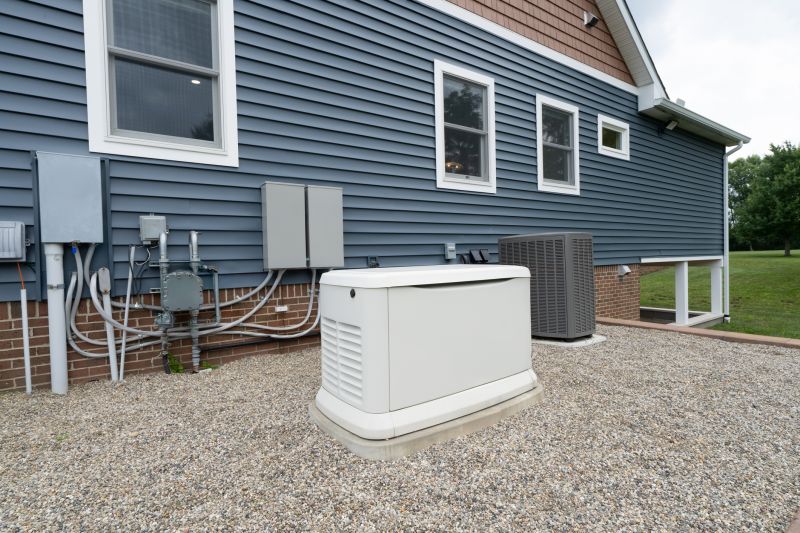
When comparing local contractors for generator installation, it’s important to consider their experience with similar projects. Homeowners should look for providers who have a proven track record of installing generators comparable in size and complexity to the one being considered. An experienced contractor will understand the specific requirements of different generator models and the unique aspects of residential electrical systems, which can contribute to a smoother installation process and help ensure the system performs reliably over time.
Clear written expectations are essential when choosing a service provider. Homeowners should seek contractors who can provide detailed written descriptions of the scope of work, including the materials to be used, the installation process, and any necessary permits or inspections. Having these details documented helps prevent misunderstandings and ensures that both parties are aligned on what will be delivered. It’s also helpful to ask for a written outline of the project timeline and any warranties or guarantees associated with the work.
Reputable references and good communication are key indicators of a trustworthy local contractor. Homeowners are encouraged to request references from previous clients who had similar generator installation projects, as this can provide insight into the contractor’s reliability and quality of work. Additionally, choosing a provider who demonstrates clear, prompt, and transparent communication can make the entire process more manageable. A service provider who listens carefully, answers questions thoroughly, and keeps homeowners informed throughout the project can help foster confidence and ensure a positive experience.
Property owners use Generator Installation services for practical projects around their homes and businesses. This guide focuses on everyday jobs and straightforward project options.
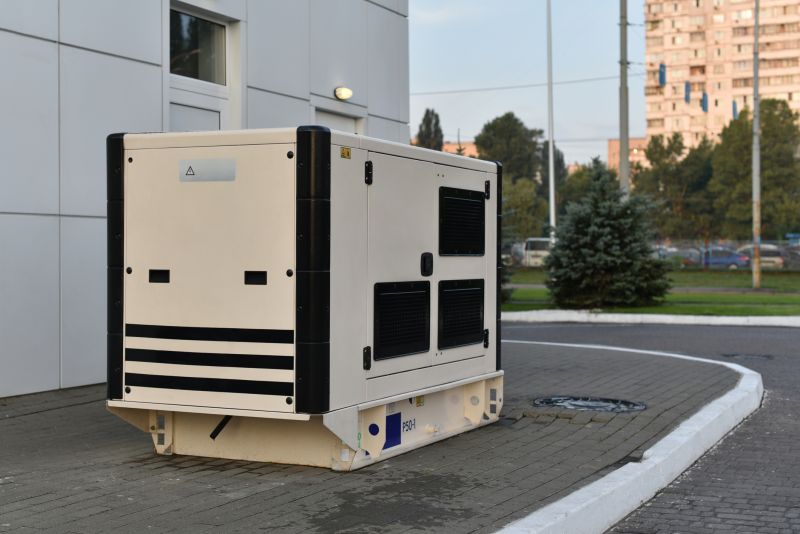
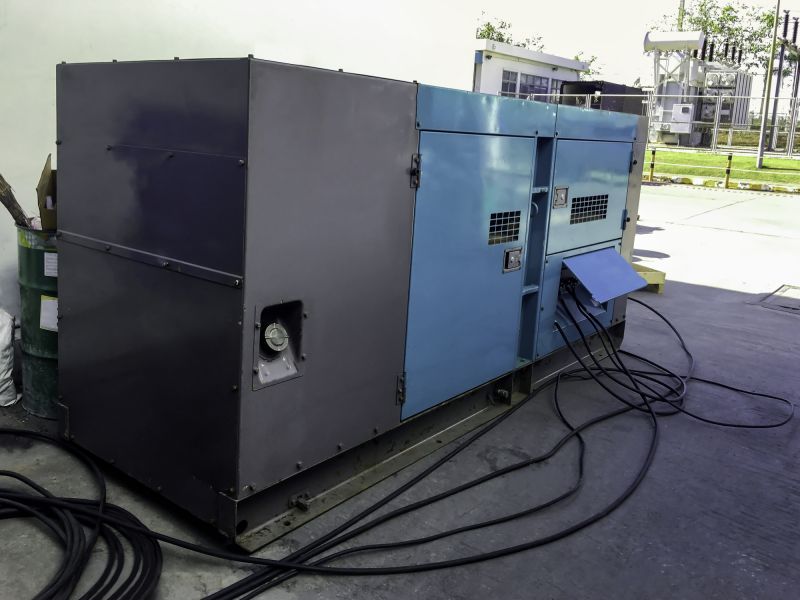
Generator installation services are often sought after when property owners experience frequent power outages or want to ensure a reliable energy source during storms and severe weather. Many individuals in the area consider installing a generator to keep essential appliances running smoothly, especially in homes that rely on electric systems for heating, cooling, or medical equipment. Additionally, property owners upgrading their homes or preparing for emergencies may look for local contractors who specialize in safe and efficient generator setups to enhance their overall preparedness.
For those expanding their properties or constructing new buildings, generator installation can be a necessary step to meet modern electrical needs. Some property owners may also seek to replace outdated or malfunctioning generators to improve performance and safety. Local service providers can assist with these projects, offering professional support to ensure that generators are properly installed and integrated into existing electrical systems.
What types of generators can local contractors install? Local contractors can install a variety of generators, including portable, standby, and inverter models, to suit different power needs and property types.
Do generator installations require any permits? Permitting requirements vary by location; local service providers can advise on necessary permits and handle the application process if needed.
What factors should be considered when choosing a generator? Factors such as power capacity, fuel type, size, and compatibility with existing electrical systems are important considerations handled by local pros.
Can generator installation be integrated with existing electrical systems? Yes, experienced local contractors can integrate new generators with existing electrical setups for seamless operation and backup power.
What maintenance is needed after a generator is installed? Post-installation maintenance typically includes regular testing, fuel checks, and inspections, which local service providers can perform or advise on.
Backup Power for Essential Appliances - Property owners can install a generator to ensure critical appliances like refrigerators and heating systems stay operational during outages.
Powering Outdoor Events and Activities - Local contractors can help set up generators to provide reliable electricity for outdoor gatherings or recreational projects.
Supporting Remote Work and Home Offices - Installing a generator can keep computers, internet routers, and other office equipment running smoothly in case of power disruptions.
Enhancing Emergency Preparedness - Generators can be a practical addition for households looking to be better prepared for unexpected power interruptions.
If you are thinking about Generator Installation for a property, this guide is meant to help you understand the work, the typical project types, and how different options might fit your plans.
When you are ready, you can use the quote form on this page to share a few details about your project. From there, local pros can review the basics and respond with options that match what you have in mind.